All Articles

A Designing Your Life GPT That Won't Tell You What to Do
I built a custom GPT around Stanford's Designing Your Life method. It is not a career test and it will not hand you a life plan. It guides a reflective conversation to help you see where you are, find the real problem, imagine several futures, and turn them into small, low-risk experiments. English and Chinese versions, plus the full system prompt.

Deep Research Agents for Literature Review: Breakthrough or Incremental?
Deep research agents write literature reviews fast. Then you click the citations, and the real work starts.

Governing AI in the Research Pipeline: The Transparency Gap
One study found AI disclosure in about 0.1% of a 75,000-paper subset. What can that narrow measure tell us about research transparency?

Silicon Sampling: The Promise and Peril of LLMs as Survey Respondents
Silicon sampling is fast, cheap, and plausible. That last part is exactly what makes it dangerous for anyone who takes survey data seriously.

Your Vault Is the Source of Truth: Adding AI to Obsidian Without Losing the Plot
AI chat is where I think out loud. My Obsidian vault is what I trust. Here's how I keep AI useful inside the vault without corrupting it.

Asking Better Questions: What Stanford's STORM Taught Me About Research
Most research tools help you find sources. STORM helps you figure out what to ask first, and that turns out to be where reviews go sideways.

The Harness, Not the Model: Building Research Agents That Hold Up
When my research agent kept failing, I blamed the model. The real problem was the harness, and fixing it changed how I build everything.

Stop Orchestrating, Start Looping? An Honest Look at the Ralph Loop
A skeptical, balanced read on the Ralph loop: run an agent in a simple loop with files and git as memory until a checklist is done. What is real, what is hype.

Evals Are Measurement: A Researcher’s Take on the Hottest New AI Skill
Evals aren't a new skill. They're a measurement problem researchers already know, and the old discipline maps onto AI surprisingly well.
My NotebookLM Research Workflow: Source-Grounded, Verifiable, Reproducible
The exact NotebookLM workflow I use to scope questions, build evidence corpora, synthesize findings, and verify claims before anything goes into a memo or manuscript.
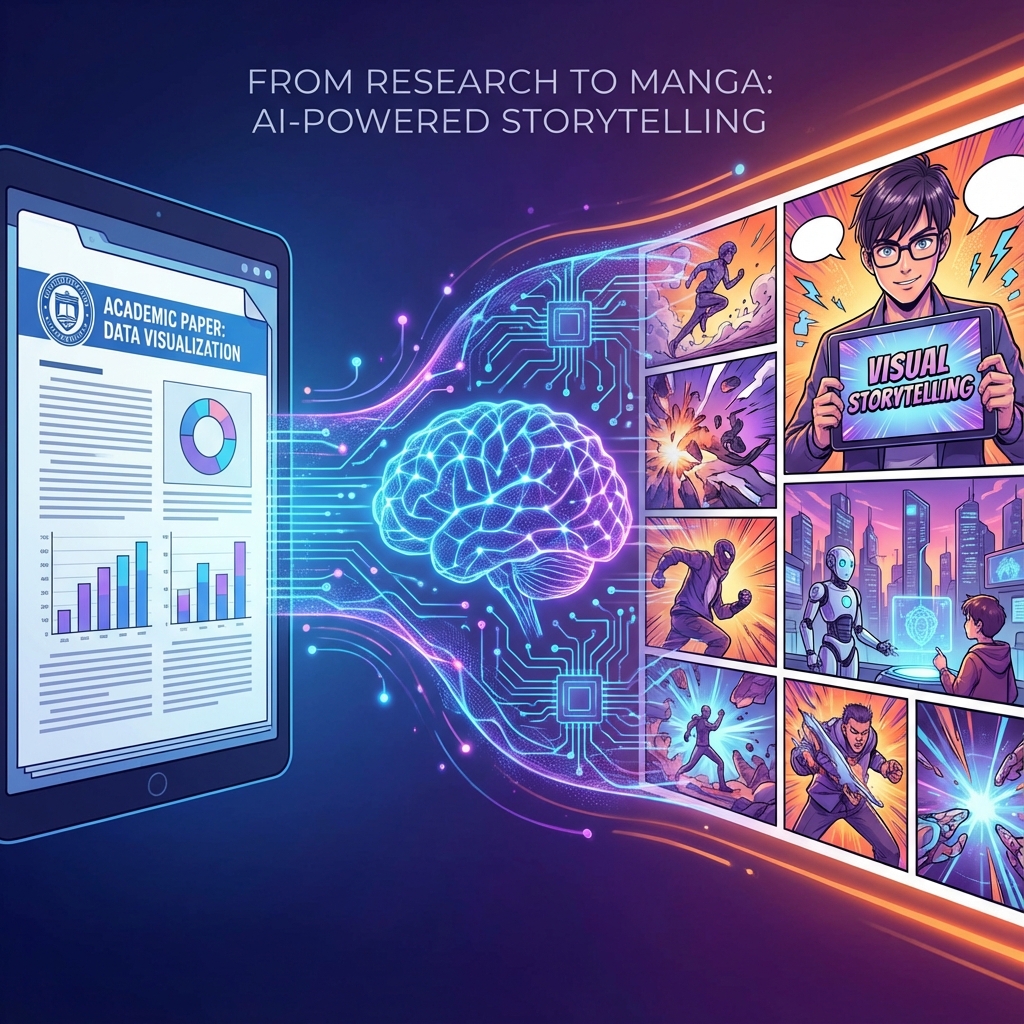
How Storytelling Helped Me Actually Learn from Research Papers
I stumbled into a weird experiment—turning research papers into manga stories with NotebookLM. What I discovered changed how I think about reading vs learning.

Nested Learning: Why Google Wants Models With Real Memory
Analyzing Google's push for models with real memory capabilities and what it means for the future of AI.
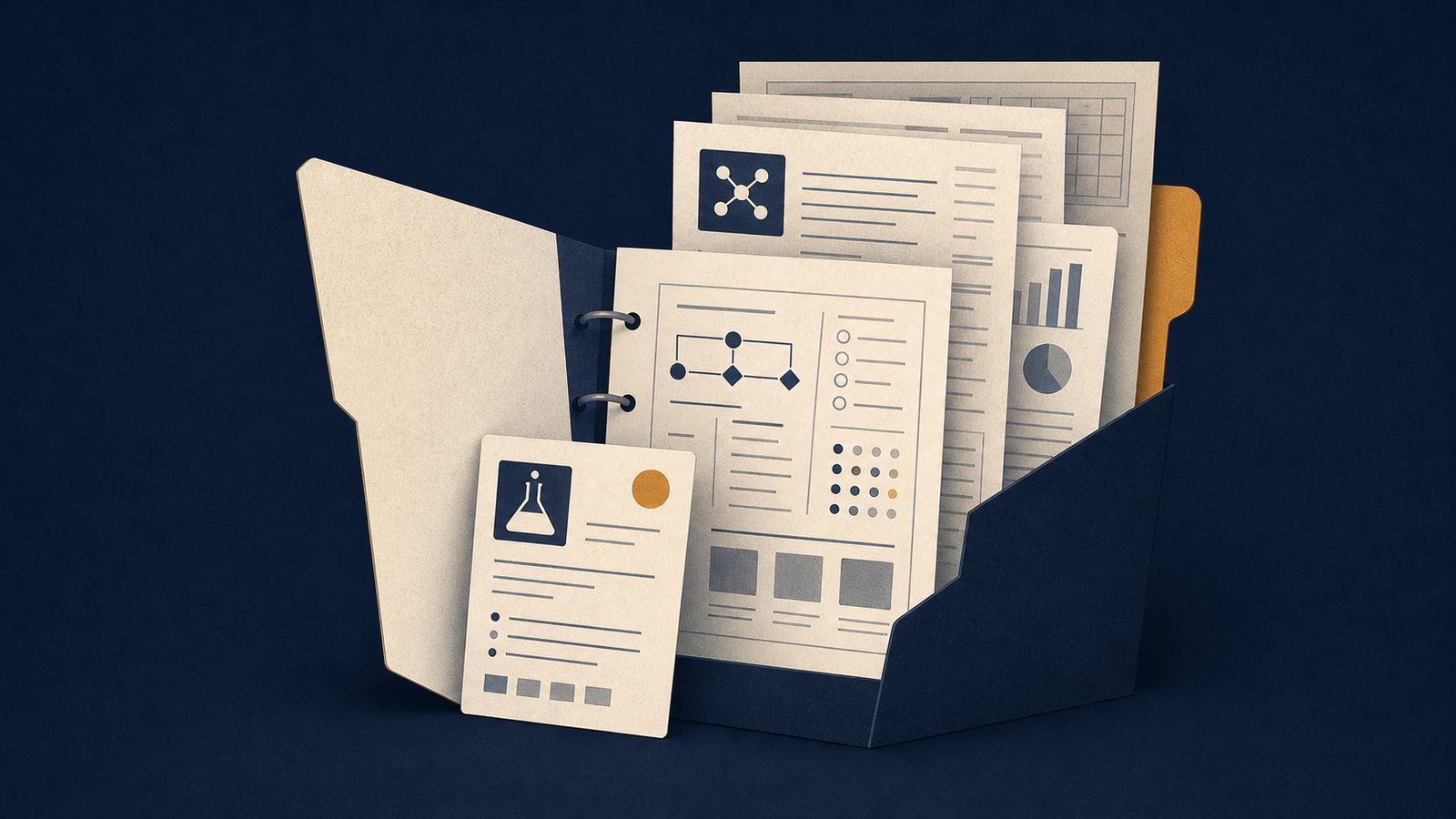
SKILL.md as a Portable Research Protocol
You already write research protocols. Agent Skills, a folder plus a SKILL.md file, turn that method into something versioned, shareable, and executable.

How 700M+ People Are Really Using AI: OpenAI vs Anthropic
What the September 2025 OpenAI and Anthropic studies tell us about consumer and enterprise AI use, and why their samples differ.
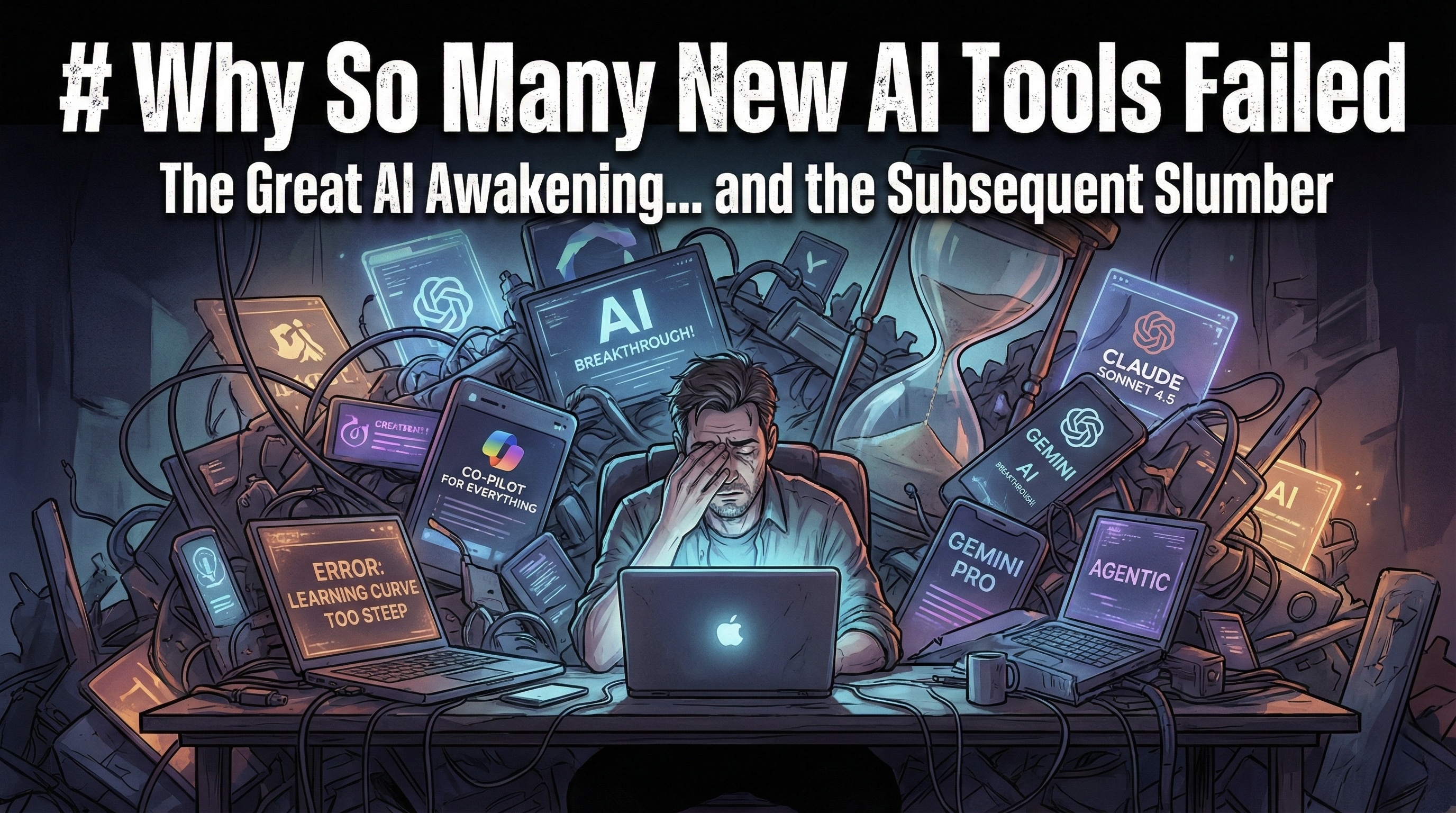
The Invisible Tax Killing AI Tools
We've moved from playful curiosity to low-grade burnout. The problem isn't capability—it's the invisible tax users pay just to try, switch, and trust these systems.

Prompt Engineering Best Practices for Research
A practical guide to structuring prompts for research workflows, from literature review to data analysis planning.

AI in Healthcare: Balancing Innovation and Ethics
Exploring the ethical considerations when deploying AI systems in healthcare settings, from HIPAA compliance to clinical safety.

Working with NHIS/NHANES: A Data Harmonization Guide
Practical insights on harmonizing multi-year NHIS and NHANES datasets for health inequality research.