
01
Content-Safety System · Praxis AI
A content-moderation system built on a fine-tuned classifier and a separately versioned policy graph, so decisions are measured and have a traceable policy basis.
Read case studyApplied AI Engineer & Researcher
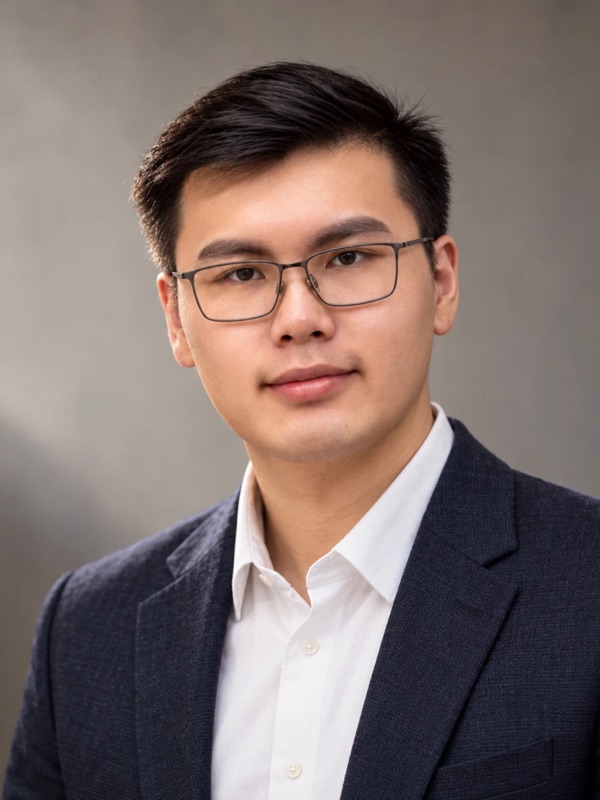 Zhong
I build AI systems and data workflows for reliable applications and rigorous research.
Focus
01
I build and evaluate AI systems where accuracy and accountability both matter. At Praxis AI, I own a content-safety system from requirements to launch: fine-tuning, evaluation, decision thresholds and the policy graph that gives decisions a traceable policy basis.
At UT Austin, I built survey-harmonization pipelines for health-inequality research and taught doctoral statistics labs. Earlier, I worked in data engineering and customer analytics, including financial services at Broadridge. I also founded Scholia, a multi-agent AI harness for academic research and learning.
Across all of it, the work comes back to the same questions: can the data be trusted, does the evaluation measure the right thing, and can a decision be traced to its basis?
02
AI systems, research methods, and the workflows that connect them.
01
A content-moderation system built on a fine-tuned classifier and a separately versioned policy graph, so decisions are measured and have a traceable policy basis.
Read case study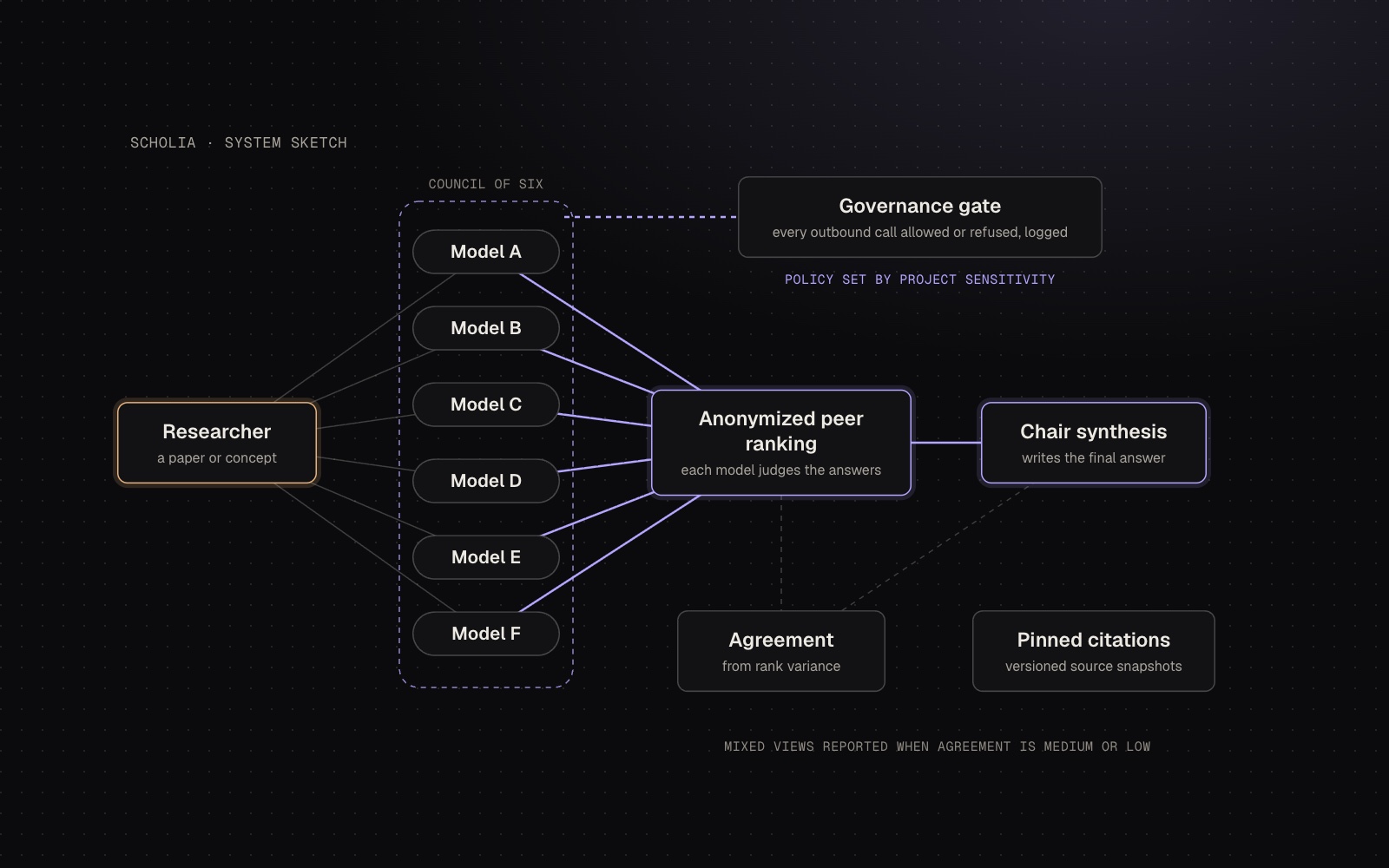
02
A multi-agent AI harness for academic research and learning. A council of six models helps researchers understand papers and concepts through multiple model perspectives, with governed data access and citations tied to what was read.
Read case study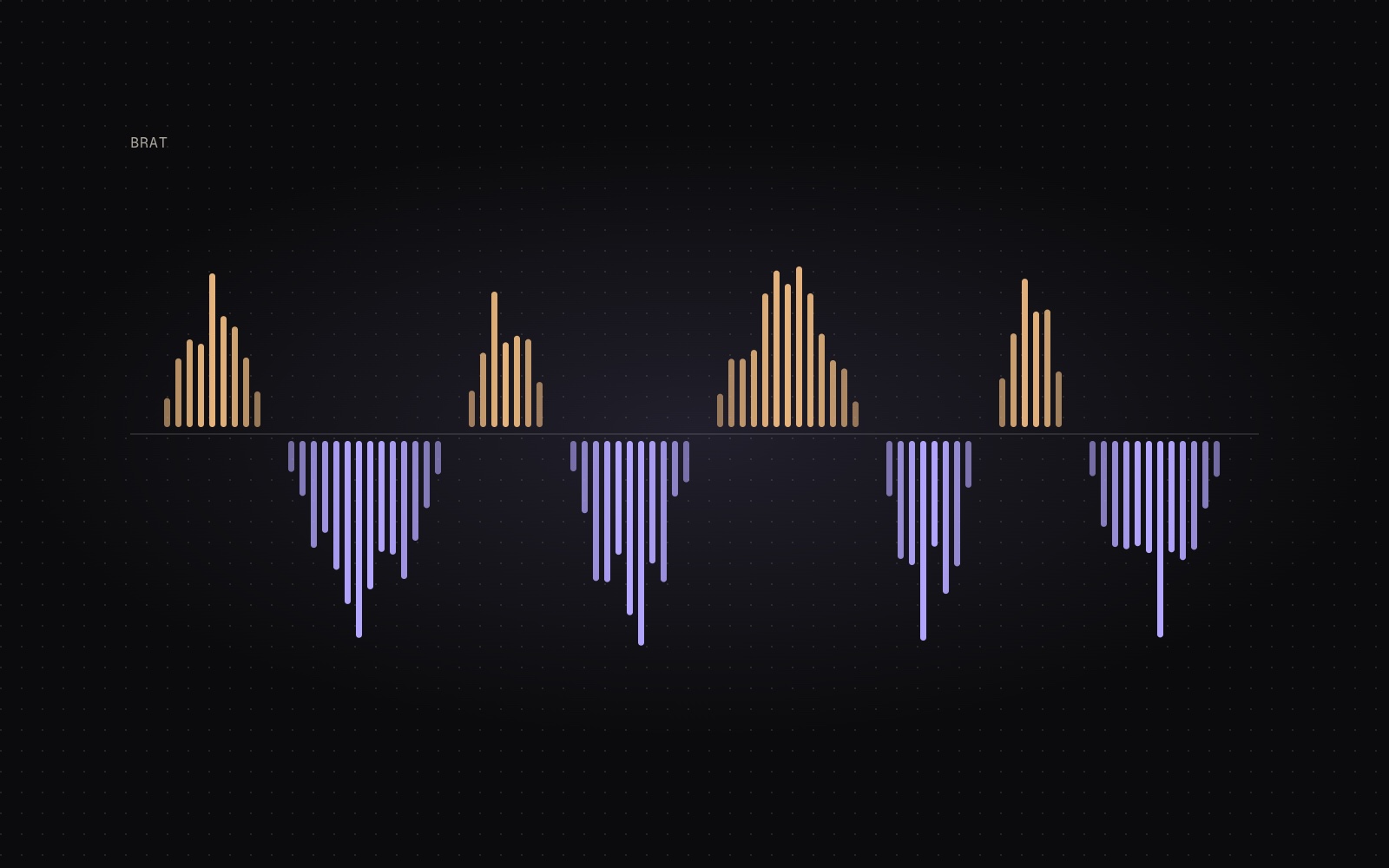
03
Conversational family therapy training and assessment application. Parents rehearse difficult conversations with a simulated teen in English or Spanish while a separate real-time evaluator assesses their technique.
Read case study03
Apr 2026 – Present Industry
Praxis AI
Own the content-safety system from requirements to launch. Improved content-moderation accuracy, while reducing both missed violations and false positives, through fine-tuning on human-verified golden data, a redesigned model context, a rebuilt data and evaluation framework, and tuned thresholds. Built a Neo4j policy graph, kept separate from model scores and versioned by effective date, so decisions have a traceable policy basis.
Content-safety case studyJun 2025 – Jul 2026 Research
Steve Hicks School of Social Work, UT Austin
Harmonized decades of NHIS survey data for an inequality-trends study, with cross-year mappings documented in a codebook. Built automated drift, cross-tabulation and missing-data checks that caught documented failures before analysis, and reproducible SAS, R and SQL pipelines across NHIS and NHANES survey waves that shortened the manual analysis cycle.
NHIS case studyAug 2024 – May 2026 Community
UT Austin
Co-founded a cross-disciplinary generative AI community, leading the prompt-engineering curriculum for 10+ workshops with 200+ participants and incubating 3 AI projects.
Aug 2024 – May 2025 Teaching
Steve Hicks School of Social Work, UT Austin
Taught R and SPSS labs to 28 doctoral students in the two-semester Quantitative Data Analysis I and II sequence, covering ANOVA, regression with mediation and moderation, missing data and multiple imputation, factor analysis, and structural equation modeling. Developed a 12-module graduate statistics course focused on hands-on data analysis.
Jun 2022 – May 2023 Industry
Broadridge Financial Solutions, New York
Contributed to a 20% increase in high-net-worth client conversion by building Python customer lifetime value models and automated RFM segmentation for a marketing-decision pipeline. Developed Power BI and Excel VBA analysis tools, executive decks and reports to support the COO and CFO’s strategy on adapting proxy voting for Gen Z investors and shareholders. Helped marketing teams shorten decision cycles from 7 days to 4 through Tableau dashboards.
Nov 2021 – May 2023 Professional
School of Professional Development, Stony Brook University
Raised usable customer records (identifiable, valid, complete, current and non-duplicate) from 30% to 95% by leading a SQL and CRM restructuring of 40,000+ legacy records. Established data standards for program and campaign reporting, with data definitions in a codebook and a 15-dimension customer taxonomy. Coordinated 3 programs for 200+ participants with 4 partners, including the Department of Labor.
04
01
I build and evaluate LLM applications end to end, from fine-tuning and context design to retrieval and multi-agent orchestration, with evaluation pipelines and guardrails that make their behavior measurable.
02
I make data trustworthy before it is used: codebooks and data standards, automated validation and drift checks, and governance controls that keep LLM use auditable and decisions traceable.
03
I design and run rigorous quantitative analyses: causal inference, multilevel and complex survey models, and inequality metrics, with reproducible pipelines and documented assumptions.
04
I ship reproducible pipelines and services in Python, SQL, R and SAS, deploy them with FastAPI, Docker, Azure and GCP Vertex AI, and report through Tableau and Power BI.
05
May 2025
University of Texas at Austin
Focus on Artificial Intelligence and Data Science. Coursework included Machine Learning, Explainable AI, AI in Health, Responsible Data Management, Data Wrangling, and Prompt Engineering.
May 2023
Stony Brook University
Departmental Honors in Business Management, Cum Laude. Academic Excellence Award, College of Business Leadership Award, Business Honors Program, and Dean's List.
06
Research contributions span AI applications, survey harmonization, and reproducible analysis.
Related case studiesBRAT platform contributionIntersectionality analysisNHIS methods
07
These are the kinds of questions I keep coming back to in my work.
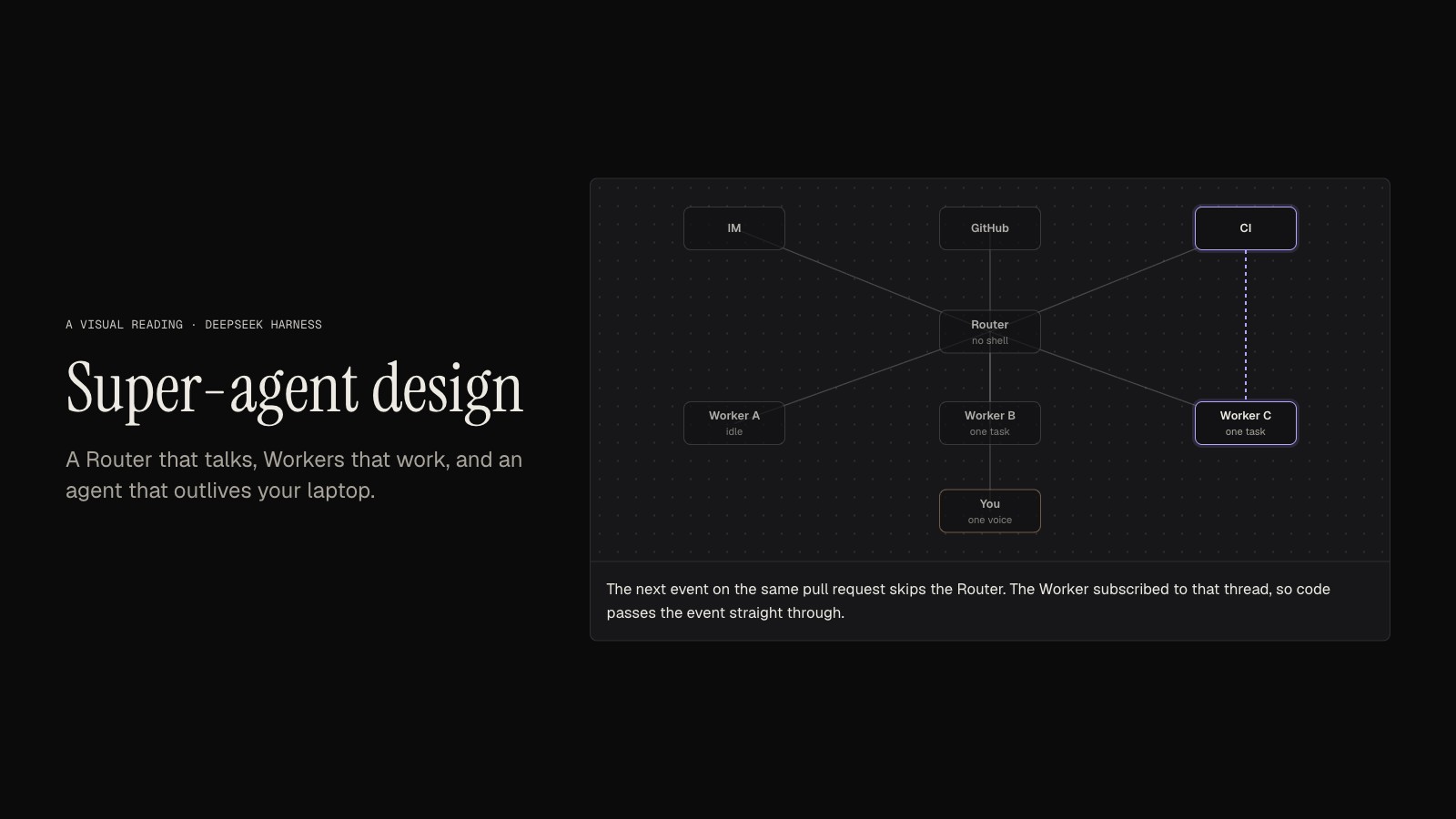
An interactive explainer of DeepSeek Harness's essay on Super-agents: a Router that talks and Workers that work, event-driven triggers, full-duplex chat, and an agent that outlives your laptop. Plus what the early numbers do and do not show.
Read article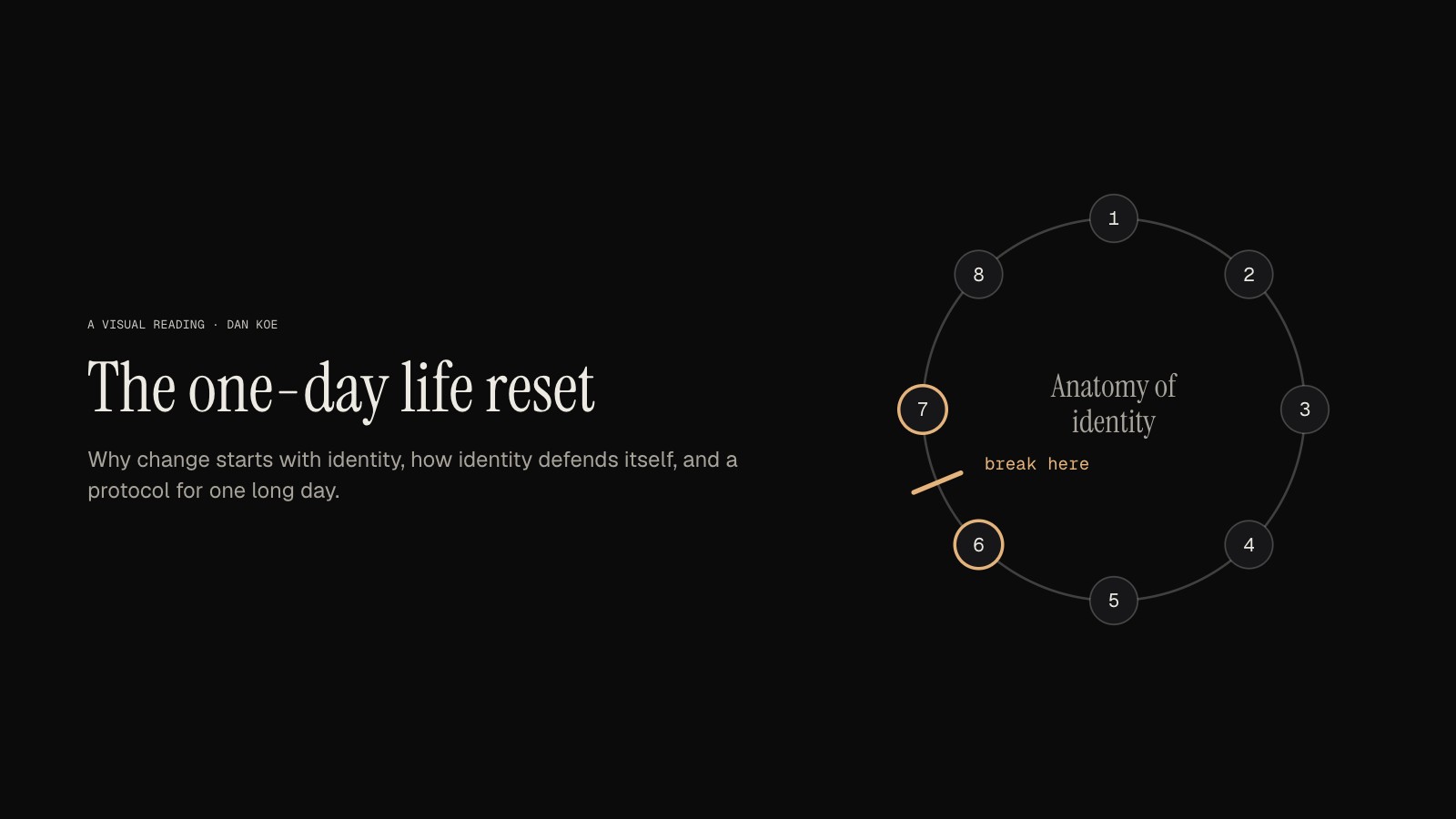
Dan Koe's letter on fixing your life in one day, redrawn: why change has to start with identity, how identity defends itself, the nine stages of mind he summarizes, and his morning-to-evening protocol. Compared with the Designing Your Life method.
Read article
I built a custom GPT around Stanford's Designing Your Life method. It is not a career test and it will not hand you a life plan. It guides a reflective conversation to help you see where you are, find the real problem, imagine several futures, and turn them into small, low-risk experiments. English and Chinese versions, plus the full system prompt.
Read article08
I'm always happy to talk about AI in health, research workflows, or weird data problems. If you're working on something in that space, I'd love to hear about it.